Author: admin

  • Gorilla Trekking for the Elderly and Disabled

    The Bwindi Impenetrable National Park and Rwanda’s Volcanoes Park are among the most famous destinations for gorilla trekking in Africa. Every year, thousands of travelers visit these forests to see endangered mountain gorillas in their natural habitat. In the past, many people believed that gorilla trekking was only suitable for young and physically strong travelers because the activity involves walking through thick forests, climbing hills, and spending several hours searching for gorillas. However, this has changed greatly over the years. Today, gorilla trekking is becoming more accessible for elderly traveler, senior citizens, and people with disabilities.

    National parks in Uganda and Rwanda have introduced special services and support systems to help visitors with limited mobility enjoy this unforgettable wildlife experience. Sedan chairs, stretchers, porters, walking sticks, and easier trekking routes are now available to make the adventure more comfortable and safer. Guides and park rangers are also trained to assist visitors who may need extra help during the trek. With proper planning, many seniors and disabled travelers can successfully participate in gorilla trekking and create lifelong memories while observing these gentle giants up close in their natural forest environment. 

    Important Things to Consider

    1. Choosing the Best Country for the Trek

    The first important thing is choosing between Uganda and Rwanda. Both countries offer excellent gorilla trekking experiences, but they are slightly different. Rwanda is often easier for seniors because the roads are better, travel distances are shorter, and many lodges are close to the trekking areas. The gorilla trekking takes place in Volcanoes National Park, where some gorilla families live on easier slopes. Uganda offers trekking in Bwindi Impenetrable National Park and Mgahinga Gorilla National Park. Some sectors of Bwindi have shorter and easier treks than others. Uganda is also popular because gorilla permits are usually cheaper than Rwanda’s permits. Choosing the right country depends on the traveller’s budget, physical ability, and comfort needs.

    1. Selecting an Easy Gorilla Family

    Not all gorilla groups are located at the same distance from the starting point. Some groups stay near the park headquarters while others move deeper into the forest. When organizing the trek, it is important to inform the park authorities about the traveller’s age, health condition, or disability. Rangers can then assign a nearby gorilla family that requires less walking time. This greatly reduces exhaustion and allows seniors to enjoy the experience comfortably.

    1. Booking Permits Early

    Gorilla permits are required for trekking in both Uganda and Rwanda. These permits are limited because only a small number of visitors are allowed to see each gorilla family every day. For elderly travellers and people with disabilities, early booking is very important because it allows tour operators enough time to organize special arrangements such as sedan chairs, porters, and suitable accommodations. Booking early also helps secure permits for the easier trekking sectors.

    1. Considering Physical Fitness and Health

    Before traveling, seniors should visit their doctor for a medical check-up. Gorilla trekking involves walking through forests with steep slopes, muddy trails, and uneven ground. Travelers with heart conditions, breathing problems, or joint pain should seek medical advice before confirming the trip. Even though support services are available, basic physical preparation is still important. Simple exercises like walking before the trip can help improve comfort during the trek.

    1. Hiring a Sedan Chair or Gorilla Stretcher

    One of the best services available in Uganda and Rwanda for disabled travellers is the sedan chair or gorilla stretcher. This is a special chair carried by trained porters through the forest. This service is ideal for elderly travellers who cannot walk long distances or people with mobility disabilities. The porters safely carry the traveller to and from the gorilla family location.

    Although it costs extra money, it allows many people to enjoy gorilla trekking without physical stress.

    1. Hiring Porters for Support

    Porters are very helpful during gorilla trekking. They help carry bags, cameras, water bottles, and walking sticks. They also offer physical support when crossing muddy or steep areas. For seniors, hiring a porter can make a big difference. Even travellers who are still active may find the forest difficult because the terrain changes quickly. In addition, hiring porters supports local communities because many people around the parks depend on tourism for income.

    1. Choosing the Right Lodge or Accommodation

    Comfortable accommodation is very important for elderly travellers and people with disabilities. Lodges should have comfortable beds, private bathrooms, hot showers, and easy access. Travelers should also choose lodges located near the trekking headquarters to reduce long morning drives. Some lodges in Uganda and Rwanda offer wheelchair-friendly rooms and ramps for disabled guests. Good accommodation allows seniors to rest properly before and after trekking.

    1. Planning a Comfortable Travel Itinerary

    Long journeys can be tiring for elderly travellers. Organizers should avoid rushing from one place to another. It is better to include enough rest stops during road transfers and avoid scheduling too many activities in one day. Travelers should arrive near the trekking area at least one day before the trek to recover from travel fatigue. A relaxed itinerary makes the safari more enjoyable and less stressful.

    1. Choosing the Best Time to Travel

    Weather conditions affect gorilla trekking greatly. During heavy rains, the trails become slippery and difficult to walk on. For seniors and people with disabilities, the best time to trek is during the dry seasons. In Uganda and Rwanda, the dry seasons are usually from June to September and December to February. During these months, the trails are easier to walk on and the trekking experience is more comfortable.

    1. Wearing Proper Clothing and Footwear

    The forests where gorillas live are often cold, muddy, and wet. Wearing the right clothing helps travellers stay comfortable during the trek. Visitors should wear long trousers, long-sleeved shirts, waterproof hiking boots, gloves, and a rain jacket. Warm clothing is also important because mornings can be cold. Good hiking shoes provide balance and reduce the risk of slipping on muddy trails.

    1. Carrying Walking Sticks

    Walking sticks are very useful during gorilla trekking. They help with balance and reduce pressure on the knees when climbing or descending steep paths. Most parks provide simple walking sticks at the trekking starting point. Seniors and travellers with mobility difficulties should always use them for extra support. A walking stick can make the hike safer and less tiring.

    1. Proper Hydration and Nutrition

    Trekking can be physically demanding, even for short distances. Elderly travellers should drink enough water before and during the trek to avoid dehydration. Carrying light snacks such as energy bars or fruits is also helpful because the trek may take several hours. Tour operators should ensure travellers have packed lunch boxes and drinking water before leaving the lodge. Good hydration helps maintain energy levels throughout the activity.

    1. Travel Insurance and Emergency Planning

    Travel insurance is very important for gorilla trekking trips. The insurance should cover medical emergencies, evacuation, and trip cancellations. Because gorilla trekking takes place in remote mountain forests, emergency evacuation can sometimes be expensive. Seniors should ensure they have proper insurance before traveling. Emergency contact details and medical information should also be carried during the trip.

    1. Communication with the Tour Operator

    Travelers should clearly explain their needs to the tour company before the trip begins. Information about disabilities, health conditions, or mobility problems helps the operator prepare properly. This allows the company to arrange suitable vehicles, accommodations, and trekking support services in advance. Good communication helps avoid problems during the safari.

    1. Understanding Gorilla Trekking Rules

    Before entering the forest, park rangers explain important trekking rules. These rules help protect both visitors and gorillas. Travelers must keep a safe distance from the gorillas, avoid sudden movements, and stay quiet while observing them. Flash photography is not allowed because it may disturb the gorillas. People who are sick with flu or cough should not trek because gorillas can easily catch human diseases.

    1. Managing Expectations

    Gorilla trekking is a natural wildlife activity, and the experience can sometimes be unpredictable. Gorillas move freely in the forest, so trekking time may vary from one hour to several hours. Some days are easier while others may require more effort. Seniors should understand that nature cannot be fully controlled. Having realistic expectations helps travellers remain positive and relaxed throughout the experience.

    1. Mental Preparation and Confidence

    Some elderly travellers may feel nervous before trekking, especially if they have never hiked in a forest before. Mental preparation is therefore very important. Travelers should understand that park rangers, guides, and porters are experienced and ready to help throughout the trek. The goal is not speed but comfort and safety. A positive attitude helps seniors enjoy the experience more confidently.

    1. Considering Private or Customized Tours

    Private tours are often better for elderly travellers and people with disabilities. They offer more flexibility and comfort compared to group tours. With a private safari, travellers can move at their own pace, stop when necessary, and receive personalized attention from guides and drivers. Customized tours also make it easier to organize special services such as wheelchair access or private transfers.

    1. Respecting the Pace of the Traveler

    During the trek, guides and porters should allow seniors to walk at a comfortable pace. There should be regular breaks for resting and drinking water. Rushing elderly travellers can lead to exhaustion or injuries. Gorilla trekking should be treated as an enjoyable adventure rather than a race. Patience and understanding are very important during the activity.

    1. Enjoying the Experience

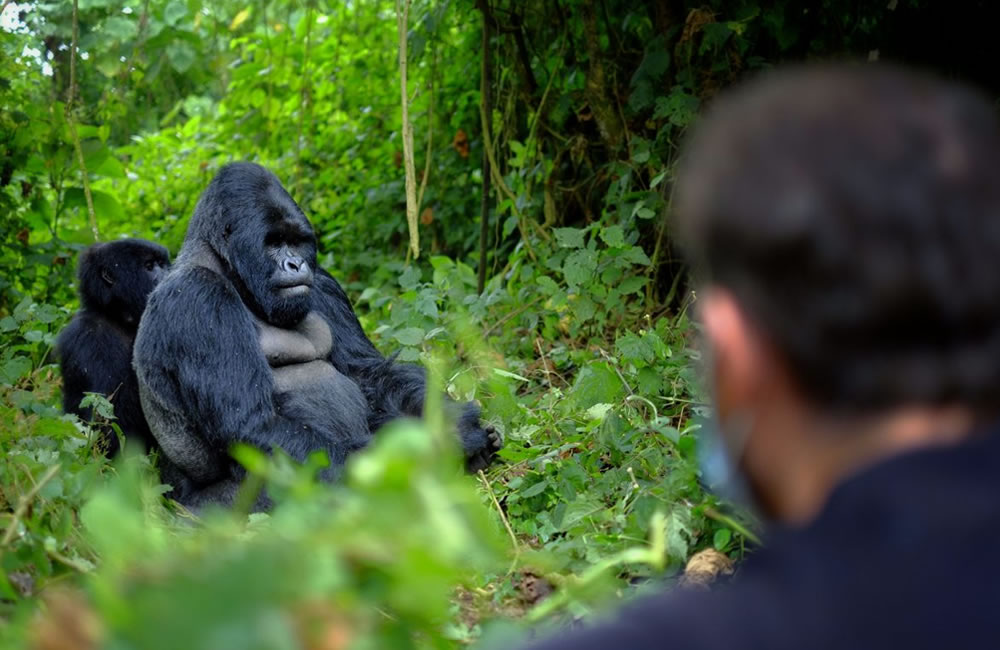
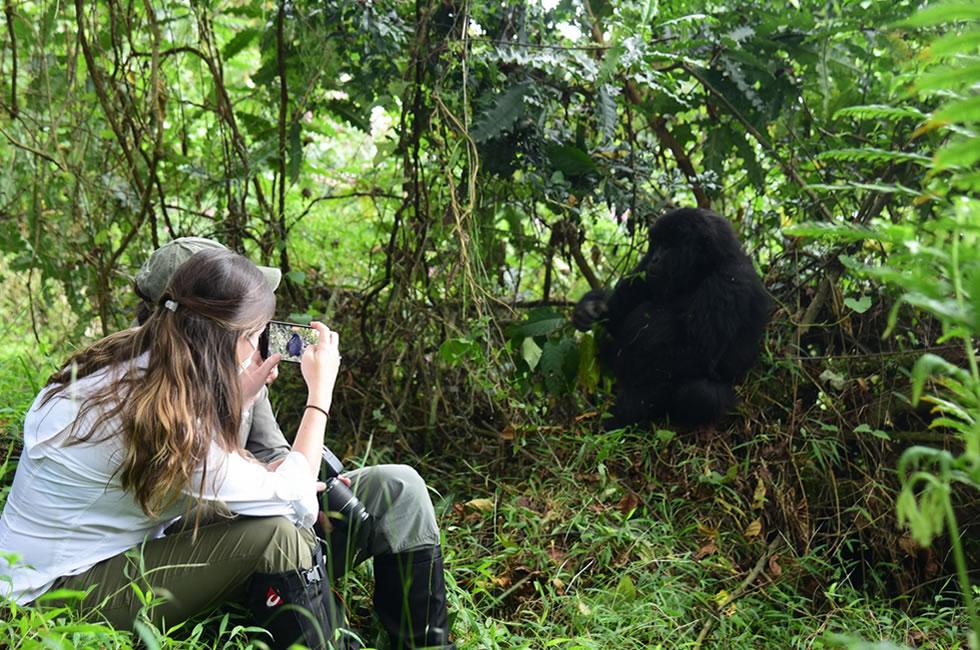
    The main goal of gorilla trekking is to enjoy the rare opportunity to see mountain gorillas in the wild. Once the gorillas are found, visitors are allowed to spend one hour observing them. Watching gorillas feed, play, and interact with each other is an unforgettable experience. Many seniors describe it as one of the best moments of their lives. With good planning and support, elderly travellers and people with disabilities can safely enjoy this once-in-a-lifetime adventure.

    Best Time for Gorilla Trekking for Elderly

    Gorilla Trekking for the elderly in Uganda is done throughout the year and the best time to do gorilla trekking in Uganda is during the drier months of January, February, June to early September, this makes it easier to travel to the park and gives a clear view of gorillas given the vegetation cover is not too much high grown.

    Conclusion

    Gorilla trekking is no longer an adventure only for young and active travelers. Today, elderly visitors, seniors, and people with disabilities can also enjoy this life-changing experience through proper planning and special support services. From sedan chairs and porters to customized tours and comfortable lodges, both Uganda and Rwanda have made gorilla trekking more inclusive and accessible. The journey may require patience and preparation, but the reward of standing close to mountain gorillas in their natural habitat is truly unforgettable. With the right arrangements, travelers of all abilities can safely experience the magic of Africa’s forests.
  • Best 5 Luxury Lodges in Bwindi

    During gorilla safaris in the Pearl of Africa guests are well catered for when it comes for accommodation facility there are plenty of lodgings when one can have a cozy stay they range from Luxurious to  budget range.

    Here are some of the hotels, lodge and camp site where guests can stay during the gorilla safari in this country;

    Clouds Mountain Gorilla Lodge

    In the mist of giant’s luxury meets at clouds mountain gorilla lodge this luxury accommodation facility is nestled in the southern part of the magnificent Bwindi Impenetrable National Park positioned in the Nkuringo Sector.

    The facility is set on a mountain ridge almost 200 meters above the sea level the location rewards guests with the radiant clear views of the stunning Virunga Volcanoes and the great rift valley.

    Clouds Mountain Gorilla Lodge features nice looking cottages that are well built using volcanic stones depicting the local craftsman ship equipped with spacious living room with hand woven carpets wood burning fire place, overstuffed armchairs, ensuite bathrooms, and expansive balconies.

    Amenities offered at this place include a well-stocked bar and lounge, internet connections, secure parking yards, laundry service, in room massage treatment on request, on site restaurant to mention but a few.

    Gorilla Leisure Lodge

    This accommodation is located close to the Rushaga sector of Bwindi Impenetrable National Park. It offers accommodation with a garden free private parking a shared lounge and a terrace. Each guest room has mountain view and guests can have access to the bar and to barbecue facilities.

    Their rooms are equipped with desk, bed linen, and the balcony with the garden view, private bathroom fitted with shower free toiletries their breakfast is always a buffet plus the restaurant that offers all kinds of meals and playing ground for children.

    Gorilla Heights Lodge

    With the mountain views gorilla heights lodge is set in Kisoro such a perfect spot for one to spend a cozy stay when is in for the gorilla trekking adventure. The lodge comprises of wide range of amenities including onsite restaurant, free shuttle service, bar, garden, outdoor swimming pool, internet connections, private parking free of charge, setting area with flat screen TV and private bathroom with room service, shower plus fridge and car hire services are available hence a good stay at the hotel.

  • Budget Gorilla Trekking in Uganda

    Budget Gorilla Trekking in Uganda

    Many travelers dream of standing just meters away from a majestic mountain gorilla in the misty forests of Uganda, but worry that it’s only possible with a luxury budget. The good news is that budget gorilla trek in Uganda are very achievable with smart planning and the right choices.

    This practical guide is written for everyday travelers who want to experience one of Africa’s most magical wildlife encounters without spending a fortune. You’ll discover how to enjoy an unforgettable budget gorilla trek while staying safe, comfortable, and ethically responsible in 2026–2027.

    Why Uganda is the Best Destination for Budget Gorilla Trek

    Uganda offers one of the most accessible and affordable opportunities for budget gorilla trek in the world. With two habituated gorilla populations  in Bwindi Impenetrable National Park and Mgahinga Gorilla National Park you have excellent chances of securing permits at a lower cost than in neighboring Rwanda.

    Bwindi is the main destination for most budget travelers because it has multiple sectors (Buhoma, Rushaga, Nkuringo, and Ruhija), giving you more options for accommodation and slightly better availability of permits. The park’s lush rainforest setting creates an incredibly immersive experience, and many families and solo travelers find the trekking here manageable with proper preparation.

    What makes Uganda especially attractive for budget-conscious travelers is the variety of mid-range and budget-friendly lodges located near the park gates. You can combine your gorilla trek with other affordable activities like chimpanzee tracking in Kibale or game drives in Queen Elizabeth National Park, creating a rich multi-park budget gorilla trek without the premium price tag of fully luxury packages.

    How Much Does a Budget Gorilla Trekking Safari in Uganda Really Cost?

    Understanding the real costs is one of the most important parts of planning a budget gorilla trekking safari. The biggest single expense is the gorilla permit itself, which currently costs $800 per person for foreign non-residents (subject to confirmation for 2026–2027).

    A realistic 7–10 day budget gorilla safari for one person typically ranges from $2,800 to $4,200. This includes:

    • One gorilla permit ($800)
    • Mid-range lodge accommodation near Bwindi (full board)
    • Private 4×4 transport with driver-guide
    • Park entry fees and basic meals
    • Airport transfers

    For two people sharing a vehicle and room, the per-person cost can drop to $2,200–$3,500. Choosing mid-range lodges instead of luxury ones, traveling in the shoulder seasons, and combining gorilla trekking with other activities helps keep the budget manageable. Many travelers are pleasantly surprised to discover that a high-quality budget gorilla tour is significantly more affordable than they initially expected.

    Best Time to Go for Budget Gorilla Trekking Safaris in Uganda

    Timing can make a big difference to both your experience and your budget when planning a budget gorilla trek. The two dry seasons June to September and December to February  are the most popular because the trails are drier and trekking is generally easier.

    June to September is peak season, which means higher demand for permits and slightly higher lodge rates. December to February offers a good balance of dry weather and fewer crowds, often resulting in better availability and sometimes lower accommodation prices.

    The rainy seasons (March–May and October–November) can be excellent for budget travelers because lodge rates drop and gorilla permits are sometimes easier to secure. However, the trails can be very muddy and slippery, making the trek more physically demanding. For the best combination of weather, availability, and value, many budget-conscious travelers choose January–February or the shoulder months of June and September for their budget gorilla safari.

    Choosing the Right Accommodation for Budget Gorilla Trekking

    Accommodation is one area where you can save significantly on a budget gorilla safari in Uganda without sacrificing too much comfort. Instead of ultra-luxury lodges costing $600+ per night, excellent mid-range and budget-friendly options are available near all Bwindi sectors.

    Look for lodges and camps priced between $120 and $300 per night (single occupancy, full board). Many of these properties offer comfortable rooms or tents, good food, and helpful staff who understand the needs of gorilla trekkers. Some even provide packed lunches for your trekking day.

    Staying 2–3 nights in the same lodge is often more economical and less tiring than moving between different sectors. When planning your budget gorilla trip, prioritize lodges that are close to the park gate of your chosen trekking sector this reduces transfer costs and gives you more rest time before and after your trek.

    How to Prepare Physically and Mentally for Gorilla Trekking on a Budget

    Gorilla trekking is physically demanding, so preparation is essential for a successful budget safari in Uganda. The trek can last anywhere from 2 to 7 hours, involving steep hills, muddy trails, and dense vegetation.

    Start exercising several weeks before your trip with hill walking, stair climbing, or cardio activities. Good trekking shoes with ankle support, rain gear, and a walking stick (provided by porters) are very helpful. Bring a daypack with water, snacks, rain jacket, and camera.

    Mentally, prepare for the possibility that the trek will be challenging — but the reward of sitting quietly with a gorilla family is worth every step. Budget travelers often hire porters ($15–20) to carry their daypack, which also supports local communities. With realistic expectations and good preparation, even first-time trekkers can fully enjoy their budget safari in Uganda.

    Additional Budget-Friendly Activities to Combine with Gorilla Trekking

    • To get more value from your budget Uganda trek, combine your trek with other affordable activities. Chimpanzee tracking in Kibale Forest costs around $250 per person and is a wonderful complement to gorilla trekking.
    • Lake Mburo National Park offers excellent game drives and boat trips at much lower entry fees than other parks. A visit to the Ziwa Rhino Sanctuary en route to Murchison Falls or Bwindi is another budget-friendly highlight where you can track rhinos on foot.
    • Many travelers create a logical loop: Lake Mburo → Queen Elizabeth → Bwindi → Kibale, maximizing wildlife experiences while keeping costs down. This multi-park approach gives you a rich safari in Uganda experience without needing to spend weeks in the country.

    Booking Tips and How to Save Money on Your Budget Gorilla Trekking Safari

    • Smart booking is key to a successful budget gorilla trekking safari in Uganda. Book your gorilla permit as early as possible  ideally 6–8 months in advance  through the Uganda Wildlife Authority or a reputable tour operator.
    • Travel during shoulder months (May, November) when lodge rates are lower and permit availability is sometimes better. Consider traveling with one or two friends to share the cost of a private 4×4 and driver-guide.
    • For reliable vehicles and honest pricing, Mum and Dad Uganda Tours stands out as one of the best tour and travel companies in Uganda, offering well-maintained 4x4s at competitive rates for self-drive or private driver safaris.
    • Compare quotes carefully and read recent reviews. With careful planning and a bit of flexibility, you can enjoy a high-quality budget gorilla trekking safari in Uganda that delivers memories worth far more than the money spent.

    Conclusion: Your Budget Gorilla Trekking Safari in Uganda Awaits

    A budget gorilla trek is not only possible it can be one of the most rewarding experiences of your life. With smart planning, realistic expectations, and the right choices, you can stand face-to-face with mountain gorillas without spending a fortune.

    From the misty forests of Bwindi to the gentle giants that call it home, Uganda offers an accessible and unforgettable gorilla trekking adventure for budget-conscious travelers who are willing to plan thoughtfully.

    Start saving, book your permit early, choose comfortable but affordable lodges, and get ready for an experience that will stay with you forever. Your budget gorilla trek in Uganda is closer than you think  and it promises to be absolutely magical.

  • Planning a Self Guided Tour in Uganda

    Planning a Self Guided Tour in Uganda

    A self guided gorilla trek is one of the most adventurous and flexible ways to explore Uganda. It allows travelers to enjoy the freedom of driving through the countryside at their own pace while combining unforgettable wildlife encounters with the excitement of independent travel. The highlight of the journey is trekking endangered mountain gorillas in the dense forests of Bwindi Impenetrable National Park or Mgahinga Gorilla National Park.

    Why choose a self-drive Gorilla Trek?

    A self-drive safari offers travelers flexibility, privacy, and a sense of adventure. Unlike guided tours with fixed schedules, you can decide where to stop, how long to stay, and what attractions to explore along the way.

    Top gorilla trekking destinations in Uganda

    Uganda is blessed with two amazing gorilla trekking destinations—both located in the country’s lush southwestern region near the Rwandan border:

    1. Bwindi Impenetrable National Park: A UNESCO World Heritage Site, Bwindi is home to over half of the world’s remaining mountain gorillas. Its misty jungles host multiple habituated families across four main sectors—Buhoma, Ruhija, Rushaga, and Nkuringo. Trekking here is a life-changing experience that combines breathtaking forest scenery with close encounters with these gentle giants.
    1. Mgahinga Gorilla National Park: Smaller but equally stunning, Mgahinga offers a peaceful atmosphere and dramatic volcanic backdrops. It’s also home to the Nyakagezi gorilla group and the rare golden monkeys. Visitors here can even cross into Rwanda’s Volcanoes National Park region for a transboundary experience.

    Note: For those who want a more extended encounter, Bwindi offers the Gorilla Habituation Experience—a special four-hour session with gorilla families that are still getting accustomed to human presence. This exclusive experience is limited to four visitors per group, ensuring privacy and depth.

    Best vehicle for a self-drive gorilla safari

    A 4×4 vehicle is highly recommended because roads leading to gorilla parks can be rough, muddy, and steep, especially during rainy seasons. Popular self-drive vehicles include – Toyota Prado, land cruiser LX, V8, Extended land cruiser, toyota Rav4 and safari van.

    While choosing a vehicle for the experience, consider the one with good ground clearance, spare tire, GPS navigation, reliable fuel consumption, and comprehensive insurance.

    Gorilla Trekking Permit

    Permits are mandatory and often sell out months ahead, especially during peak season – June to September and December to February. Each permit costs $800 per person for foreign non-residents and allows one trek per day. We recommend booking at least three months before your intended visit. Self-drive Uganda can handle all arrangements and ensure your permit corresponds to your chosen park and sector.

    What to expect during gorilla trekking?

    Gorilla trekking begins early in the morning with a briefing by park rangers. Visitors are assigned gorilla families and guided through the forest in small groups. The trek may last from 1 to 6 hours depending on the gorillas’ location. Once found, visitors are allowed one hour with the gorillas. During the gorilla trek, expect to walk through the dense forests and steep terrain, close encounters with gorillas, incredible photography opportunities, strict conservation rules and professional ranger guidance.

    What to Pack

    Uganda’s terrain can be challenging, and the weather often unpredictable. Here’s what to pack for a smooth and comfortable experience:

    • Hiking boots
    • Rain jacket
    • Long-sleeved shirts and trousers
    • Gardening gloves
    • Insect repellent
    • Drinking water
    • Snacks
    • Camera without flash

    Safety tips

    • Drive carefully on mountain roads
    • Avoid driving at night in remote areas
    • Carry offline maps and emergency contacts
    • Follow ranger instructions during trekking
    • Keep a safe distance from gorillas

    Best time for gorilla Trek in Uganda

    Self-drive gorilla trekking is possible year-round, but the best time to visit is during the dry seasons—December to February and June to October. Trails are drier, vegetation is thinner, and sightings are clearer. These months also provide the best conditions for photography and self-drive exploration.

    The wetter seasons—March to May and October to Novemberbring lush green scenery and fewer tourists. While trails can be muddier and more slippery, it’s a great time to enjoy quieter parks and occasional low-season discounts on accommodation and vehicle rentals.

    Conclusion

    A self guided gorilla trek in Uganda combines independence, adventure, and extraordinary wildlife experiences. From the scenic road trip through Uganda’s countryside to the unforgettable moment of standing face-to-face with mountain gorillas, the journey creates memories that last a lifetime. Whether visiting Bwindi Impenetrable National Park or Mgahinga Gorilla National Park, a self-drive safari offers an exciting and rewarding way to discover the beauty of Uganda.

  • Plan Your Safari to Bwindi

    Depending on where you start and how much time you are willing to spend traveling, a safari to Uganda’s Bwindi Impenetrable National Park takes about 2-3 days. From Kigali, you can also take a day trip to Bwindi. The main attraction of most trips to Bwindi is trekking to see the endangered mountain gorillas that make Bwindi famous. Remember, though, that a gorilla journey alone usually takes a whole day. 

    Here’s a general idea of what to expect on a visit to Bwindi might be:

    Early Morning Departure.

    To get the most of your park visit, get an early start to the day. You’ll probably need to depart quite early to go to Bwindi if you’re coming from Kampala or another city.

    Travel:

    Road travel to Bwindi from big towns like Kampala might take eight to ten hours. To greatly reduce your travel time if you are pressed for time, you can think about flying a charter flight to one of the neighboring airports.

    Gorilla Trekking:

    After you are at Bwindi, you have to drive to the park headquarters for a briefing. Joining a gorilla trekking group can be possible, depending on availability. Remember that because gorilla trekking permits are few and can sell out fast, they must be reserved well in advance.

    Gorilla Trek

    The terrain and the location of the gorilla group you are seeing can make the walk itself take many hours. You will get an hour at most to watch the gorillas after rangers lead you into the bush.

    Return journey :

    You will have to return to your beginning place after your gorilla adventure. This could once more entail a lengthy journey or a charter airplane.

    Because of the time limits of a one-day trip, every aspect must be meticulously planned and one must be ready for an exhausting day of adventure. Recall that gorilla trekking permits are highly sought after and usually require reservations made far in advance. A safari to Bwindi is also not the best approach to see all the park has to offer, even though it is physically feasible. Give yourself additional time if at all feasible to fully appreciate this amazing natural setting.

  • Two New Babies Gorillas Born in Bwindi

    Its exciting news to learn that gorilla’s capital Bwindi Impenetrable National Park has received two baby gorillas at once.

    The Uganda Wildlife Authority (UWA), a government agency responsible for protecting all national parks and game reserves confirmed the announcements on 31st May 2025.

    One baby gorilla was born to Kwitonda an adult female gorilla in Nkuringo family located in Nkuringo sector southwestern of Bwindi Impenetrable National Park. The baby has joined the members of the family to increase the size of the family to 16 individuals.

    Nkuringo family was habituated in 2004 under the leadership of the silverback Nkuringo who died in 2008, and was succeeded by two silverbacks Rafiki and Safari.

    And the other baby was born to Bizulu female adult female of Busingye family of Rushaga sector southeast of Bwindi Impenetrable National Park. The baby gorilla has increased the number of members in the family to 15.

    Busingye gorilla family habituated in 2012 after it broke out from Kahungye gorilla group under the leadership of Busingye an adult silverback gorilla.

    UWA confirmed of how the two baby gorillas have been received in healthy conditions and their mothers.

    The reception of new baby gorillas at Bwindi Impenetrable National Park tightens the issue of being the top gorilla conservation destination.

    In the recent gorilla census of 2019, indicated that Uganda through Bwindi alone hosts half of the world’s remaining mountain gorillas with about 450 species recorded.

    However, Uganda has two mountain gorilla forests which are Bwindi Impenetrable National Park and Mgahinga Gorilla National Park.

    Right from the recent gorilla census, Bwindi alone has received about 50 gorilla babies which come when they are healthy with their mothers.

    “These new births are evidence of effectiveness of conservation measures, community involvements, and continued global financial support for protecting one of the world’s most iconic speices,” said in UWA statement.

    Bwindi Impenetrable National Park welcomes the highest number of visitors seeking to trek mountain gorillas in their nature sanctuary. There is over 20 habituated gorilla families where over 150 visitors have an opportunity to trek gorillas on a single day.

  • Self-Drive Holiday in Uganda

    Self Drive on a gorilla safari can be a good option! While planning self drive holiday in Uganda, Uganda self drive specialize in organizing self-drive itineraries. They will book your accommodation for you, and usually you will have a choice as to what type of accommodation you would like. They meet and greet at the airport and facilitate you getting your rental car, they will provide route maps and other useful information. This is a good option if you don’t have the time to research your itinerary yourself. It’s also a good idea to book your accommodation in advance especially during the months of December and January.

    Tips for Driving in Uganda

    • Driving is on the left hand side of the road in Uganda (so cars are right hand drive).
    • Seat belts must be worn by front seat passengers.
    • No cell phone use is allowed while driving.
    • Average speeds are 35mph (60km/h) in built up areas, 75 mph (120 km/h) on the open roads.
    • All road signs are in English.
    • All distances are in km’s.
    • A traffic light is called a “robot”.
    • Always lock your car when you park it and never leave valuables in the car,
    • “Car guards” will pop up to help keep your parked car safe.
    • A tip of a few shillings is fine.
    • Keep your windows up and doors locked when you stop at a traffic light, especially in towns and cities.
    • You’ll need a valid driver’s license (if your license is not in English, you will need to get an International drivers license),
    • Avoid driving at night if you can.

    If you have plans to take holiday that involves driving around in Uganda before, there are some rules of the road you will need to bear in mind –because things are going to get pretty hectic around that time.

    The first thing about driving in Uganda is, of course, having driving permits and of age of above 18 years old, we drive on the left. When I say ‘we’, this does not necessarily apply Ugandans but also international travelers on self drive expeditions. With a very limited inner-city public transport system in most places other than Uganda, everyone drives.  And they usually drive between 10 and 20 kilometers an hour faster than the speed limit. They slow down just for the speed cameras.

    Follow the traffic lights on road as you may do in your mother country, red traffic lights indicate a stop for everyone except … you’ve got it. They stop an extra two or three seconds turn across on-coming traffic, or just shoot through. In some areas it is considered cool to slip through behind, as long as you keep really close. If five cars can stick close enough, they can all go through. But you are allowed to be rude to those people.

  • Guide to Self Drive Tours to Bwindi Forest

    Guide to Self Drive Tours to Bwindi Forest

    A self-drive tour to view the endangered mountain gorillas in Bwindi Impenetrable National Park is incredibly one best way that you can adventure this magical side of Uganda this coming season. Best described by Sir Winston Churchill as the pearl of Africa, Uganda boasts of breathtaking landscapes and varied tourist attractions with one of star attraction being mountain gorillas. To trek these magnificent creatures in Uganda, Bwindi Impenetrable National Park is that one unique protected area you shouldn’t miss to pay a visit. It lies suitably within southwestern Uganda just at a border with the Democratic Republic of Congo (DRC). This 331 square kilometers park features mainly the montane and lowland forests. Other wildlife species to see in Bwindi National Park include 120 mammal species, 350 bird species, 27 frogs, 220 butterflies, 1000 flowering plant species, 163 tree species and 104 ferns among others.

    When you think of a gorilla self-drive tour to Bwindi National Park, take note that treks begin early in the morning at the park headquarters and for this case in the 4 main trailheads of Buhoma, Ruhija, Rushaga and Nkuringo. You track gorillas in a sector where your permit directs you to.

    Where to trek gorillas in Bwindi National Park

    Each of the 4 main sectors feature habituated families and in Buhoma you can track gorilla families like Mubare, Habinyanja, Rushegura and Katwe. The accommodation options here include Silverback lodge, mahogany springs, Bwindi Volcano Lodge, Gorilla Forest Camp, Engagi Lodge, Buhoma Lodge, Buhoma community rest camp, gorilla resort and among others. Nkuringo sector is comprised of habituated families like Nkuringo group and Christmas. This sector lies in the high elevation. This area is usually considered to offer challenging experiences. The available accommodation options include Nkuringo gorilla camp.

    Ruhija comes with habituated groups like Bitukura, Kyaguliro and Oruzogo while Rushaga area features groups such as Busingye, Kahungye, Nshongi, Bweza and Mishaya. The available accommodation options in this sector include Bwindi Jungle Lodge, Gorilla safari camp, chameleon hill lodge, gorilla haven lodge and others.

    While on the trail to trek mountain gorillas in Bwindi National Park, you have to follow the set rules and regulations which include among others; only an hour of magical encounter, only 8 visitors are allowed to track only 1 habituated family, a distance of 7 meters must be observed at all times away from gorillas, no flashlight cameras are allowed while taking photos of these large apes, no tracking gorillas when you are sick/feeling ill, keep your voices low and many more..

    How to get to Bwindi national park

    To get to Bwindi Impenetrable Forest National Park, you have 9-10 hours to drive from Kampala or Entebbe. On your self-drive tour, you can set off using a 4 wheel drive safari vehicle or by air. By road, there are many routes that take you up to this park and most of them converge around Butogota approximately 108 kilometers from Kabale Town to Buhoma sector through Ruhija about 3 hours’ drive. For those of you who are will travel from Kampala, you will drive up to Buhoma along a finest road linking up to Kabale-Ntungamo approximately 60 km.

    In Mbarara Town or drive from Ntungamo and take the right side 45 km to Rukungiri and then Kambuga to Kanungu where you will finally come to Butogota-17 km to Buhoma sector. From Kampala to Bwindi National Park, it is about 550 kilometers’ drive. If you pass via Kasese/Fort Portal-there are two (2) routes-one which leads you through Katunguru, Ishasha sector of Queen Elizabeth National Park that also rewards you with excellent views of the rare tree climbing lions and then you come to Kihihi approximately 3-5 hours’ drive. The other route takes you via Mbarara then to Ishaka about 33 km to Kagambe through Kabale road at a junction with Ntungamo to Rukungiri route then you arrive to Buhoma area. By air, you can take a direct flight from Entebbe airport or Kajjansi airfield and you land into Kisoro airstrip where you can connect by car.

    Best time to go for gorilla trekking in Bwindi

    A self-drive tour to Bwindi National Park to trek mountain gorillas can be done at any time of the year. On the other side, you need to take note of dry and wet season-the dry season starts from June to September and December to February and this is normally considered as the best for gorilla trekking. The wet season is equally ideal and starts from March to May then from October to November. The challenge with this season is that it is characterized by heavy rainfall and the ground remains slippery and muddy.

    What to pack for a self-drive trip to see Bwindi gorillas

    When you think of a gorilla self-drive trip to Bwindi National Park, you have to think of which items to pack. They include waterproof hiking boots, garden gloves, rain jacket or poncho, long sleeved shirt/blouse/t-shirt or long trousers or long pants, energy giving snacks and bottled water, cameras and additional batteries, long socks, day pack, insect repellents, anti-malarial tablets, first aid kit, hat, sun glasses, pair of binoculars, walking stick-but this one you will find it at the park headquarters or lodge where you will spend a night in Bwindi and this can be got at the park headquarters/lodge, money belt, toiletries a mention but a few.

  • Top 10 Midrange Lodges in Bwindi Forest

    Would you like to go on a gorilla safari in Bwindi Forest of Uganda? Wondering about the best places for your stay? Would you like to stay in something not luxurious but also not budget? There are some midrange safari lodges that we can consider deluxe within Bwindi Impenetrable Forest. Here are the 10 best midrange lodges that doesn’t cost a lot yet will offer you the right service that you need to make sure that you get the best value safari in Bwindi;

    Gorilla Valley lodge

    Gorilla Valley Lodge is one of the standard lodging facilities in Bwindi National Park. It is built within the Rushaga area south of Bwindi Impenetrable Forest National Park. This lodge is lies along the steep slopes which overviews Bwindi Forest. It comprises of 12 rooms, self contained with verandahs over viewing the forest. Gorilla Valley Lodge is perfect for visitors who are interested in trekking gorilla families like Bweza, Kahungye, Mishaya, Nshongi and Busingye.

    Gorilla Mist Camp

    This is situated in Ruhija area of Bwindi Impenetrable Forest National Park at the park boundary. This lodge is about five minutes drive from Bwindi National Park headquarters where the gorilla treks usually begin with briefing. Gorilla Mist Camp is a private safari lodge which provides accommodation in thatched cottages which are eco friendly hence friendly with its surrounding ecosystem. The cottages feature raised decks with the views of the forest. The cottages feature en-suite facilities with bathtubs, luxurious restaurant, bar and lounge.

    Nkuringo Gorilla Camp

    Nkuringo Gorilla Camp is situated at the Nteko rim at altitude 2161 meters and offer mainly standard accommodation to visitors on gorilla safaris in Bwindi Impenetrable Forest National Park. This lodge also overviews the Kashasha River Valley and the Bwindi Impenetrable Forest and it is ideal for visitors on gorilla safari to Nkuringo sector and Rushaga. Nkuringo Gorilla Camp features 4 luxury en-suite handcraft cottages, 4 en-suite Virunga Terrace rooms and family cottage with capacity of five people, bar, restaurant and many more.

    Lake Kitandara Bwindi Camp

    Lake Kitandara Bwindi Camp was set up in 1994 and offers luxury camping accommodation in Buhoma sector north of Bwindi Impenetrable Forest National Park. The lodge presents mainly the African style setting and a touch of modernity which matches with the quality, safari and comfort. This lodge features about 20 tents with names of bird species in Uganda. Lake Kitandara Bwindi Camp has self contained rooms, comfortable beds and furniture, hot and cold showers, solar power, restaurant and bar.

    Silverback Lodge Bwindi

    Silverback Lodge Bwindi is owned and managed by Marasa Africa the famous investor in the hospitality lodges in East Africa. It is perfectly situated around Buhoma area and offers visitors on gorilla safari opportunity to track habituated gorilla families within Buhoma. The lodge lies on raised hill with spectacular views of Bwindi Forest which offers refuge to more than 400 mountain gorillas and several floral and birdlife. Silverback Lodge has 12 rooms with one single room, 7 twin rooms and 4 double rooms. Its rooms were constructed using local materials plus the forest vines, the purple slate stone and sisal rope. It features amenities like restaurant, bar, bonfire and gardens.

    Eco Marvels Gorilla Resort

    Eco-Marvel Gorilla Resort is situated next to Kitahurira ranger post just between Buhoma and Ruhija area. This serves best for visitors who are interested in tracking gorillas in Ruhija sector-Oruzogo, Bitukura, Kyaguriro and Buhoma’s groups-Mubare, Rushegura and Habinyanja family. The lodge is good for single, double occupancy and camping. The notable facilities include the cottages, tented bandas, furnished kitchen, campsite, restaurant and many more.

    Engagi Lodge Bwindi

    This is another best midrange safari lodge that you should consider for your overnight stays in Bwindi Impenetrable Forest National Park. Visitors who intend to track gorilla families in Buhoma sector; this is the perfect area that you shouldn’t miss out. The lodge comes with rare views of Bwindi forest and the surrounding areas. Engagi Lodge is built using local materials and local workmanship. The local materials comprise of the rocks extracted in and around the lodge site, the eucalyptus trees and banana fibre thatch. The lodge features mainly eight cottages with en-suite, privacy, double or twin beds, private verandah, solar power, bar, dinning room and many more.

    In conclusion, Bwindi National Park offers wide range of midrange accommodation facilities for visitors on gorilla safari to make their best choice.

  • Why Visit the Gorillas During the Dry Season

    Many people prefer tracking the mountain gorillas during the dry season.  In Uganda, Rwanda and Democratic Republic of Congo (DRC), the dry seasons attract a considerable number of tourists. This has led to the months of June, July, August, September, December, January and February to be refered to as the peak months. Though gorilla tracking is an all year round activity, the sun period is described as the best time to track the mountain gorillas in the famous four national parks; Bwindi Impenetrable National park, Mgahinga National Park in Uganda,  Volcanoes National Park in Rwanda  and the Virunga national Park National Park in the Democratic Republic of Congo.

    Below are some of the benefits of encountering Gorilla in Uganda, Rwanda and DR. Congo:

    Driving to the parks in dry season is much easier in dry season compared to the nature of the roads in rainy seasons. Roads are always dry but dusty allowing easy flow of vehicles from where ever they are coming from to Bwindi Impenetrable National Park, Mgahinga National Park, Volcanoes National Park and Virunga National park.

    Gorilla trekking in dry season is not much strenuous as in rainy seasons. The ground is not slippery and as such hiking or trekking becomes a little bit easier. It should however be noted that even during dry seasons, rain is still received in Bwindi Impenetrable National Park because it is a tropical rain forest where it rains throughout the year but the amount of rainfall is minimal compared to that in rainy season.

    In dry season, the forest experience less undergrowth which makes the forest clear for proper movement and clear photography. Some tree shade off leaves to make the forest clear hence proper view of a variety of wildlife.

    Trekking gorillas in dry seasons has some disadvantages due to the fact that most services are very expensive. Gorilla permits in Uganda are sold at USD600.00 compared to USD450.00 in low or rainy seasons. Accommodation properties tend to be expensive their rates in the above mentioned months hence making the overall gorilla trekking in dry seasons a bit expensive.

    TIP: Planning to visit the mountain gorillas during the dry season? Please make sure that you book your gorilla permit early enough. Most guidebooks advise booking gorilla permits as early as 3 months given that many tourists take gorilla safaris during these months. Therefore to avoid high prices, booking your gorilla safari early enough will save your day!